

Planning catering for buffet style in Melbourne can feel overwhelming. How much food do you really need, what menu will please everyone, and how do you keep everything looking polished while you host, network, or enjoy your celebration?
Use this catering for buffet checklist as your step-by-step guide. Follow it from top to bottom and you will have a well organised, generous and stress free spread, whether you are planning Melbourne buffet catering for a corporate function, wedding or private party.
If you want a ready made shortcut, Your Private Chef’s buffet catering Melbourne packages give you abundant mains, sides and salads delivered in elegant trays and temperature safe packaging, with optional VIP set up so your buffet looks professional from the moment guests arrive [1].
Clarify Your Event And Guest Needs
Before you book any buffet catering or start writing a menu, step back and define the basics. This will shape every decision that follows.
Think through:
- Occasion and formality
Is this a networking lunch, milestone birthday, relaxed engagement party or corporate end of year event? Buffet catering suits casual to semi formal occasions where you want guests to mingle and serve themselves, rather than a plated, highly formal dinner [2]. - Time of day
Breakfast, brunch, lunch, afternoon tea or dinner will all change what you need on the table and how much people eat [3]. - Duration of the event
A two hour cocktail party uses very different quantities to a five hour wedding reception. - Guest profile
Are your guests mostly colleagues who will eat quickly between sessions, friends who linger at the table, or a mix of adults and children?
Having these details settled will make it much easier to choose between buffet food catering options and decide how substantial your menu should be.
Decide If A Buffet Is The Right Style
Buffet catering is flexible, social and can be very cost effective. It lets guests choose their own portions and mix of dishes, which is ideal when you have a wide range of tastes and dietary needs [4].
It is a good fit if you:
- Want guests to move around and mingle
- Need to cater for different diets without managing complex plated choices
- Are working with a set budget and want predictable costs
- Are happy for people to queue briefly for food
It may not be ideal if you are hosting a very formal sit down event where plated service is expected, in which case you might use buffet style only for dessert or late night supper options [2].
If you like the informality and value of catering buffet style, Your Private Chef offers themed buffet stations, hot and cold buffets and plentiful platters so you can scale up or down to match your event format [5].
Lock In Your Headcount And Budget
Accurate numbers are the backbone of good catering for buffet. Too little food and guests leave hungry. Too much and you have unnecessary waste.
Headcount checklist
- Confirm your venue capacity
- Send invitations early and track RSVPs
- Ask guests to note dietary requirements when they RSVP
- Provide your caterer with a realistic minimum and maximum number
Many catering professionals recommend giving your caterer a final headcount plus a small buffer, often around 5 percent for unexpected arrivals [2].
When you self cater, a simple rule of thumb is:
- Around 450 g of food per adult
- Around 225 g per child
for a full buffet style meal, then adjust depending on how long the event runs and whether there are additional courses such as canapes or dessert [6].
Caterers often suggest slightly over ordering, roughly 10 to 20 percent above your estimate, so you do not risk running out, especially for key items like protein and popular sides [7].
Choose The Right Buffet Menu Type
Once you know your numbers and budget, choose the style of food buffet catering that fits your event.
Breakfast or brunch buffet
For a morning event, aim for:
- One main hot item, such as scrambled eggs, frittata or breakfast casserole
- Two sides, including a bread option like toast or pastries
- Fresh fruit, roughly 3 to 5 pieces per person
- Two pastries per guest on average
- Coffee, tea and juice, with people typically drinking 2 to 3 beverages each [3]
Lunch buffet
A satisfying buffet lunch typically includes:
- One main, for example roast meats, curry, pasta or grilled fish
- Two or three sides, including at least one substantial starch such as potatoes, rice or bread
- Light dessert such as slices, small cakes or fruit
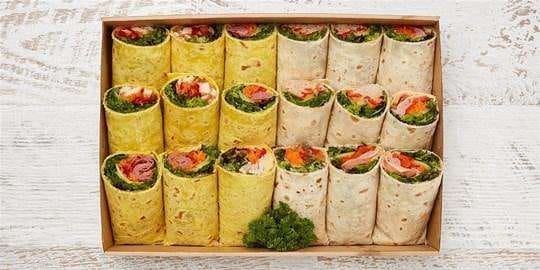
- Around 1 to 2 small sandwiches, wraps or baguettes per person if sandwiches feature on the menu [3]
Dinner buffet
For an evening event, guests usually expect something more generous. Plan for:
- A mix of meats and possibly fish
- At least two vegetables or salads
- One or two starches like potatoes, rice or pasta
- Cheese or antipasto options if your budget allows
- Dessert, often 1 to 3 servings per person across cake, pastries, mousse and fruit
- Plenty of bread and salad so you can bulk up the menu cost effectively and avoid running out [3]
Your Private Chef’s food catering buffet menus make this simple, with hot buffet packages, Mediterranean buffets, BBQ stations and more, all designed around balanced mains, sides and salads in generous quantities [5].
Plan Quantities For Each Course
Getting the quantities right is one of the trickiest parts of catering for buffet service. Use these guidelines to shape your order or shopping list.
Canapes and appetisers
If your appetisers are a warm up before a full buffet meal, aim for:
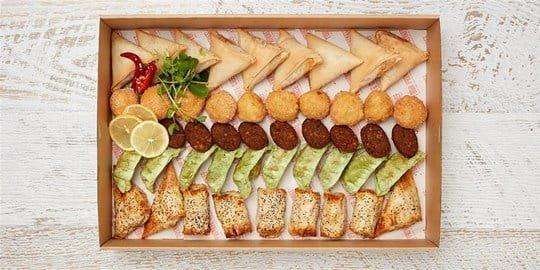
- 3 to 5 light bites per person [3]
If the entire event is canapé style, without a main meal, you will need more:
- 10 to 15 bite sized pieces per guest for longer cocktail style events [3]
Be aware that if you serve substantial canapes, guests will eat less from the main buffet, so you can reduce your main quantities slightly [6].
Mains and proteins
For meat and similar mains, a handy rule is:
- 225 g to 450 g of meat per person, depending on whether meat is the star of the plate or one option among many [6]
If you offer several different mains, you can prepare slightly less of each because people will often sample smaller portions of multiple dishes rather than taking a full serve of everything [6].
Sides, salads and fillers
Salads, vegetables and starches are where you can stretch your budget and ensure plates look full. Plan for:
- 2 to 3 side dishes per person
- Plenty of low cost fillers such as bread, potatoes and mixed salads, which help avoid running out of more expensive items like premium meats [3]
Because guests often take more from the first dishes they see, it is smart to position abundant items like salads and breads earlier in the buffet line and limited or premium dishes closer to the end to help them stretch further [8].
Dessert
People vary in how much dessert they eat, especially after a generous buffet. As a guide:
- Offer smaller serves, such as mini slices, petit fours or mousse cups
- Plan for around 1 to 3 dessert portions per guest, depending on the size of each piece and how dessert focused your event is [3]
Design A Flexible, Inclusive Menu
One of the biggest advantages of buffet food catering is how easy it is to cater for different tastes and dietary requirements. A little planning here prevents awkward moments on the day.
Cater for dietary needs
Aim to include at least:
- One substantial vegetarian or vegan main
- Gluten free options that are clearly labelled
- Dairy free sides or mains where possible
- Clear notes on common allergens, such as nuts, eggs and shellfish
Caterers emphasise that inclusive menus with clear labels like “Contains Nuts” or “Gluten Free” help everyone relax and avoid confusion at the table [4]. Labelling is especially important when you have guests with allergies who need to make quick, safe choices [9].
Your Private Chef makes this straightforward, with vegan and gluten free platters such as falafel and hummus, vegetable lasagne and salads highlighted on their buffet menus [10].
Balance hot and cold dishes
For practical buffet catering, a mix of mostly cold with some hot dishes works well. Event pros suggest:
- Around 80 percent cold dishes
- Around 20 percent hot dishes
because cold food is easier to keep safe and refill, especially across a longer event [8].
Choose recipes that still taste good warm, cool or at room temperature. Avoid foods that must be piping hot or icy cold to be enjoyable, as well as raw meat, seafood or shellfish, which are harder to keep safe on a buffet table [11].
Plan Your Buffet Table Layout
Your buffet layout affects everything from wait times to how much people enjoy the food. A well thought out table is just as important as a good menu.
Map the flow
To keep the line moving smoothly:
- Place plates at a clear starting point, all in one place
- Arrange dishes in logical order, for example salads, sides, mains, then sauces
- Put cutlery and napkins at the end of the line, not the beginning
- Use a separate table for drinks and desserts so people are not reaching across others for coffee or sweets [11]
For larger groups, pull the buffet table away from the wall so guests can serve themselves from both sides, which significantly reduces congestion [8].
Think about placement and quantity
Make the most of your food by positioning:
- Generous, lower cost dishes like salads and bread earlier in the line
- Smaller quantity or premium items, such as prawns or speciality meats, near the end or close to the utensils so people take modest portions [8]
This simple tweak stretches expensive items across the entire event without making the table feel sparse.
Create An Attractive, Professional Presentation
Beautiful presentation instantly elevates your buffet and makes even simple dishes feel special. This is one reason many hosts choose full service buffet catering for wedding receptions and milestone events, where polished styling matters.
Use height and variety
Event stylists often recommend creating different heights on the table. You can:
- Use tiered serving stands
- Place sturdy boxes or risers under the tablecloth to lift some platters
- Elevate less messy dishes so sauces do not drip on the linen [12]
This adds dimension, improves visibility and highlights eye catching items like dessert trays or colourful crudites [13].
Choose the right serveware
Mix and match platters, bowls, boards and trays that fit your menu. Consider:
- Larger platters for mains and abundant sides
- Deep bowls for salads, pasta and grains
- Smaller boards for cheeses, charcuterie and breads
Coordinated or thoughtfully mismatched serveware can make your buffet look curated rather than cluttered [11].
Your Private Chef packages include elegant trays, napkins, plates and cutlery as standard. You just add tongs and serving spoons, which keeps your set up simple without sacrificing presentation [14].
Label everything clearly
Labels do more than name dishes. They also:
- Flag vegetarian, vegan and gluten free options
- Highlight common allergens such as peanuts
- Help guests identify mild, spicy or unusual dishes at a glance
Caterers suggest using neat, decorative labels, which can even tie into your event theme while keeping guests safe and informed [15].
Simple, legible labels reduce questions at the table, speed up the line and help guests with dietary needs feel included rather than singled out.
Keep Food Safe, Fresh And At The Right Temperature
Food safety is non negotiable when you are catering for buffet guests, especially in Melbourne’s warmer months or in venues without full kitchens.
Temperature control
To keep food safe and appealing:
- Use chafing dishes or warmers to keep hot food properly hot, rather than lukewarm, which guests find disappointing and which can be unsafe after a while [13]
- Set cold dishes over ice or use insulated containers to keep them in a safe range
- Avoid leaving perishable foods out in direct sunlight, particularly at outdoor events [11]
If your venue has limited kitchen facilities, plan ahead and arrange any extra equipment, such as ovens or warming units, so you are not scrambling on the day [7].
Your Private Chef delivers hot buffet dishes in temperature safe boxes with ice packs so that your food stays in the right zone from their kitchen to your table [14].
Hygiene and replenishment
Whether you self cater or use professionals:
- Assign someone to monitor the buffet, wipe spills and refresh serving utensils
- Replace platters as they become messy rather than topping them forever
- Keep back up dishes safely stored and swap them in when the first platters are low
Professional buffet caterers train staff to manage portion control, cleanliness and guest interaction, which can remove a lot of stress for you as host [9].
Decide On Staffing And Service Level
Buffet catering can be as hands on or hands off as you like. At a minimum you need someone checking on the food and clearing plates regularly.
When to add service staff
Consider adding servers or attendants if:
- Your event is large, with several hundred guests
- You are hosting a wedding or formal corporate event and want a polished feel
- The venue layout makes self service difficult
- You prefer not to be in the kitchen or at the buffet during your own event
If you are booking an external caterer, always confirm whether their quote includes service staff, and if there are extra charges for set up, pack down and staff overtime [7].
Your Private Chef offers flexible options, from ready to serve delivery through to VIP buffet presentation with professional, restaurant style layouts so you get the level of support you need [1].
Reduce Waste And Stay Within Budget
One worry with catering buffet style is over ordering. With a few smart choices you can be generous without unnecessary waste.
Smart planning tips
- Start with honest headcounts and add only a modest buffer, not double portions of everything
- Use cheaper, filling sides like potatoes, rice, pasta and salads in generous quantities to complement premium mains [3]
- Remember that offering a wider variety of dishes means people usually take smaller portions of each one, so you can reduce the quantity per item compared to a single option menu [6]
- Plan ahead what will happen to leftovers. Provide containers for guests or coordinate with a local charity if regulations and safety guidelines permit
It is very common for buffet hosts to significantly over prepare, especially if they assume every guest will have two serves of all items. In practice, even hearty eaters rarely manage that, which leaves large amounts of food untouched [6].
Working with an experienced buffet food catering near me provider such as Your Private Chef means you benefit from their portion planning and waste reduction strategies.
Use This Quick Buffet Catering Checklist
As you finalise your plans, run through this short checklist to make sure you have covered all the essentials for catering for buffet guests in Melbourne:
- Event details
- Date, time and duration confirmed
- Venue capacity checked and booking confirmed
- Formality level decided, buffet style appropriate
- Guests and budget
- Invitations sent with RSVP and dietary questions
- Headcount confirmed with 5 to 20 percent buffer, depending on advice from your caterer
- Budget set per head and in total
- Menu and quantities
- Buffet type chosen (breakfast, lunch, dinner, cocktail)
- Mains, sides, salads and desserts planned with portions per person
- Vegetarian, vegan, gluten free and dairy free options included
- Mix of hot and cold dishes balanced
- Layout and presentation
- Buffet table location and flow mapped
- Plates, cutlery and napkins organised
- Serving platters, bowls and utensils arranged
- Labels prepared for each dish, including allergens
- Safety and logistics
- Temperature control arranged (chafing dishes, ice baths, insulated boxes)
- Staff roles allocated for monitoring and replenishing the buffet
- Delivery times and access with your caterer confirmed
- Plan in place for leftovers and clean up
Make Buffet Catering Effortless With Professional Help
You can certainly self manage catering for buffet events with this checklist, but if you prefer to hand over the planning, cooking and presentation, partnering with a specialist takes the pressure off.
Your Private Chef focuses on buffet catering for wedding, corporate and private events across Melbourne. Their buffet catering Melbourne packages feature:
- Restaurant quality mains, from roasts to curries and pasta
- Colourful seasonal salads and classic sides such as Tuscan potatoes and steamed vegetables [10]
- Hot buffet packages that arrive in temperature safe boxes, with napkins, plates and cutlery included [14]
- Themed stations, from BBQ to Mediterranean, Italian and Mexican, ideal when you want catering buffet style with personality [5]
- Flexible options from simple drop off to full VIP set up so your buffet table looks as impressive as the food tastes [1]
Whether you are organising food buffet catering for a small team lunch or a large celebration, following this checklist and partnering with an experienced provider will help you serve a buffet that feels abundant, beautifully presented and stress free for you as host.